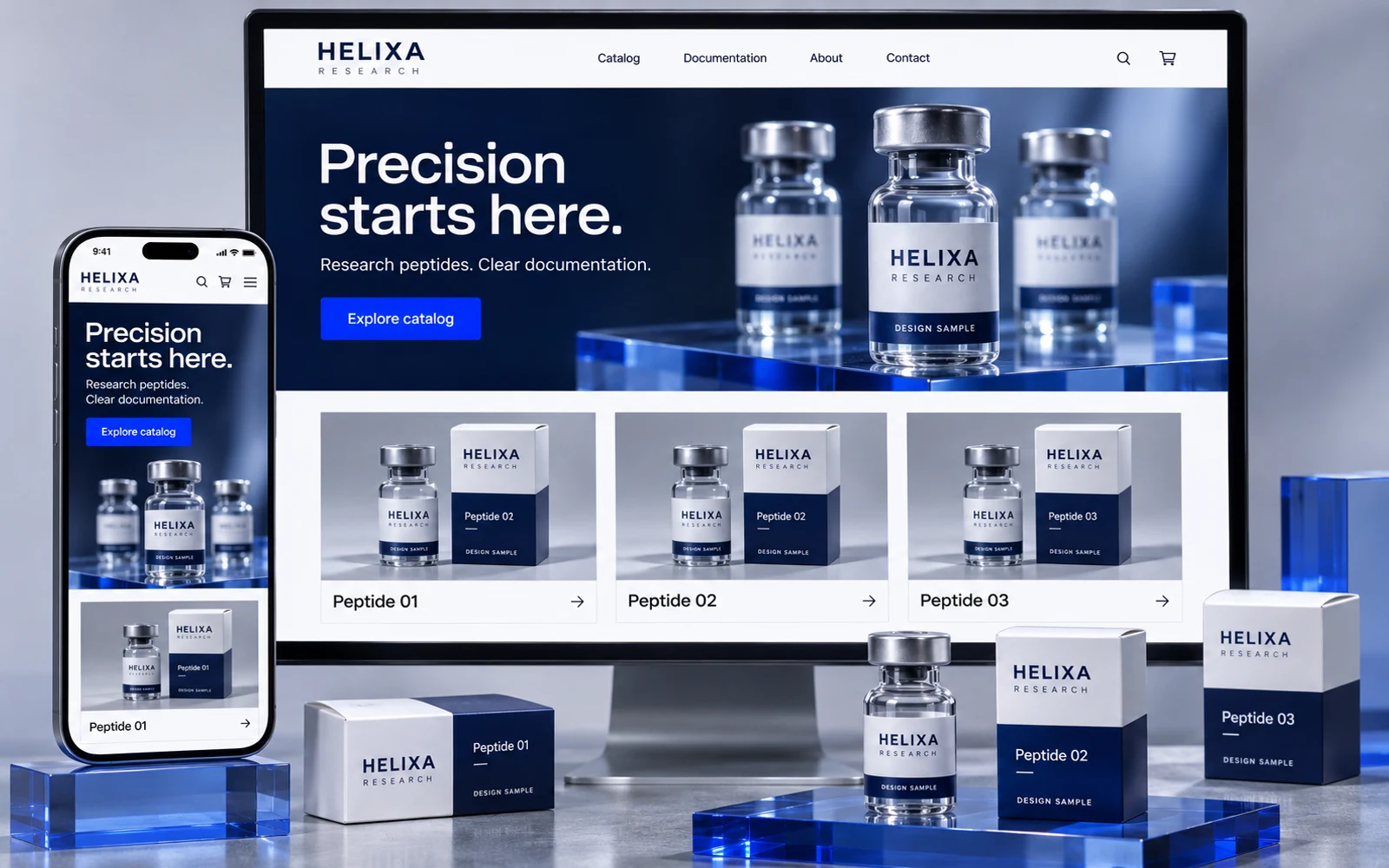



Review the full experience
Look at titles, imagery, testimonials, category names and linked material. They can imply a human-use purpose even when a product label says otherwise.
Remove contradictions
A research supplier’s content should support laboratory procurement. Personal-use instructions or treatment promises conflict with that purpose.
Use qualified review
Have appropriate legal and scientific reviewers assess the actual business and content. A marketing checklist cannot establish legal status.
Put it to work
A practical next step
Audit the entire buyer journey for inconsistent audience and intended-use signals.
Keep the evidence with the decision.
Save the baseline, the reason for the change and the person responsible for checking it. This makes the work easier to review later and helps your team distinguish a verified improvement from an untested assumption.
This note provides a planning framework. The right implementation depends on your business model, market, website and available records. Where a decision involves scientific interpretation, clinical services or legal status, use the appropriate qualified reviewer rather than treating marketing guidance as approval.
Sources and review context.
For the limits of research-use wording, see the FDA’s Gram Peptides warning letter. For search-system guidance, consult Google’s helpful content guidance. These sources provide context, not approval of a specific business.
Related agency support
Content Review ↗
Review the service scope and use the briefing tool to describe your current situation.