

Map two different decisions
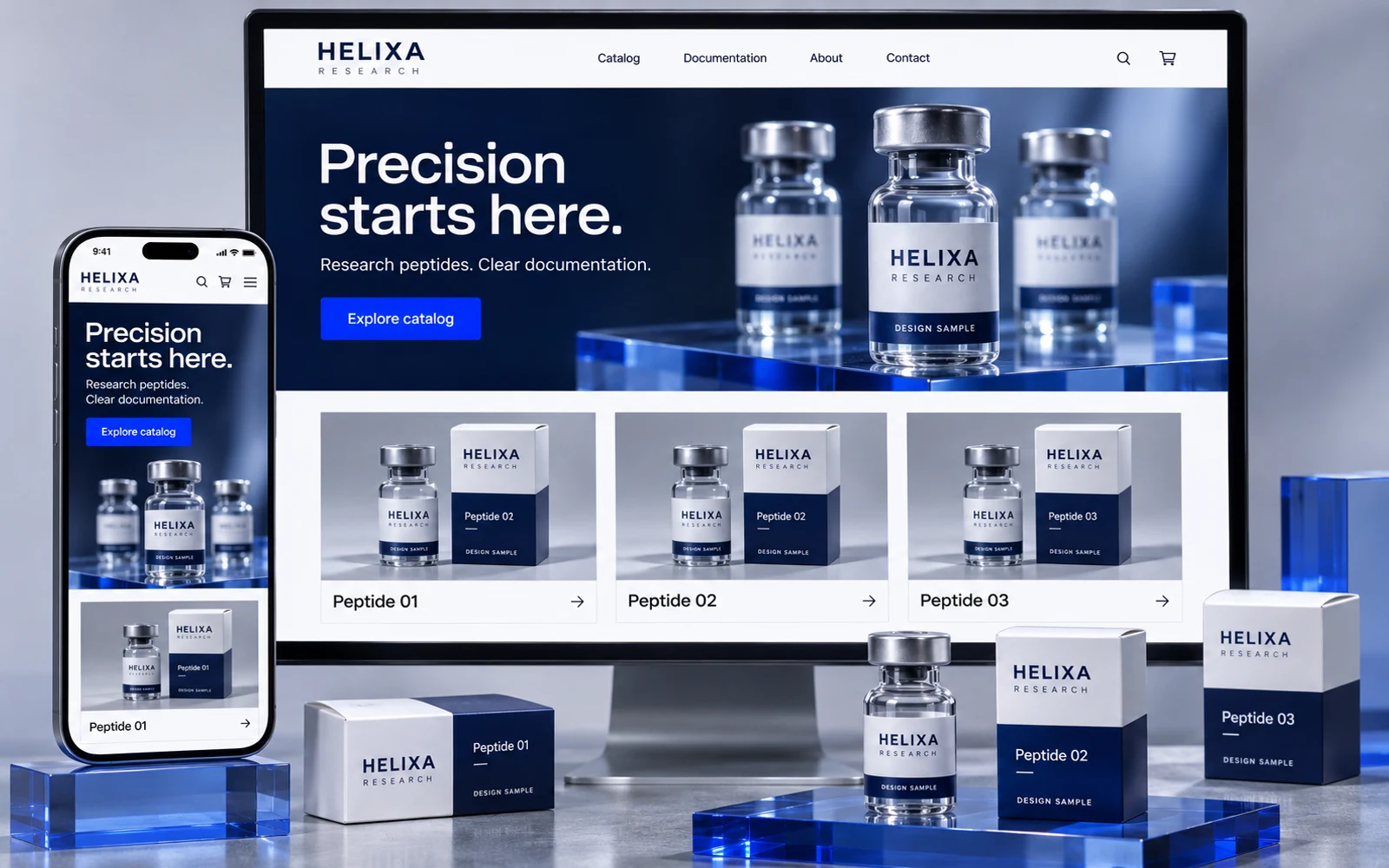
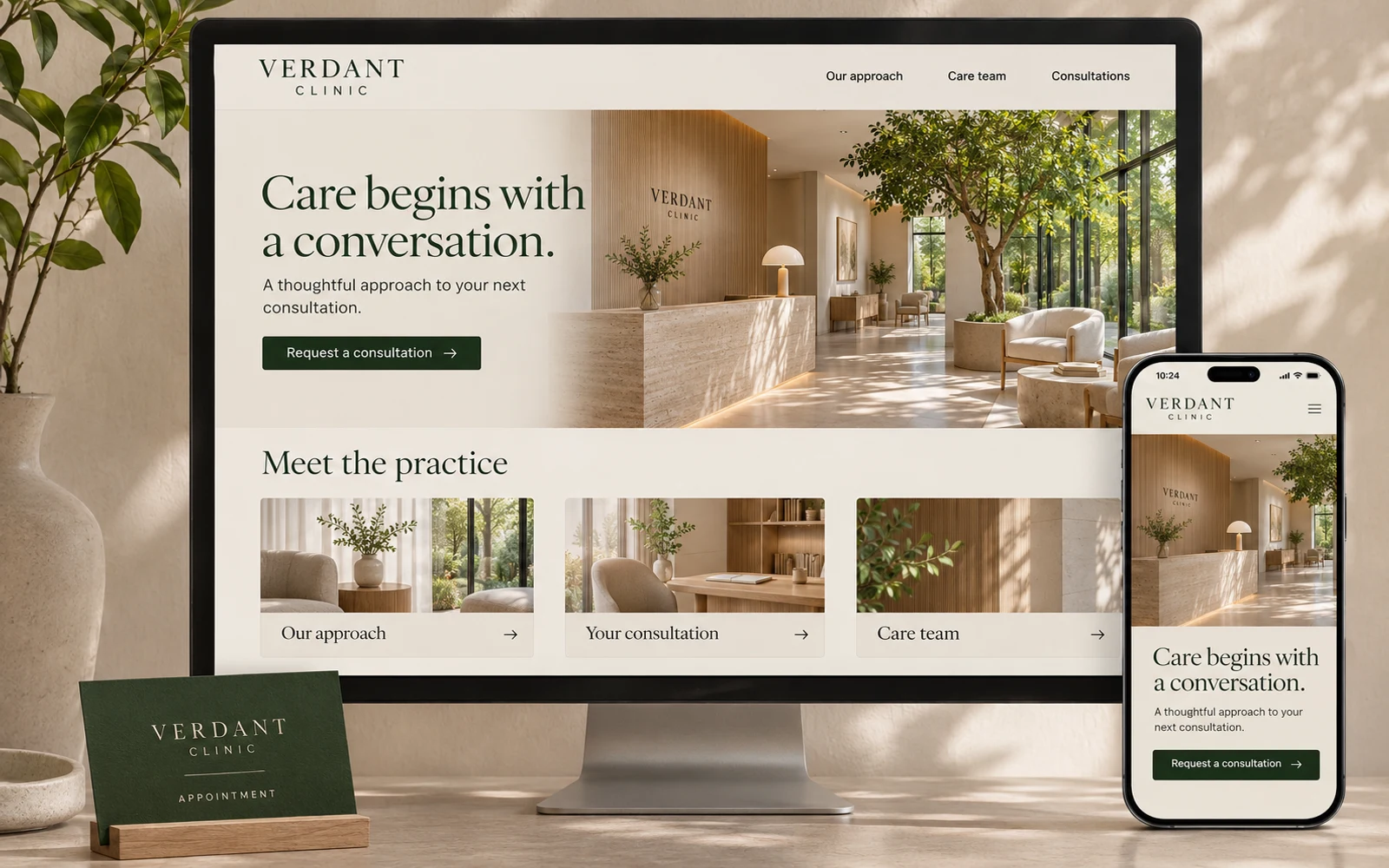
A laboratory buyer evaluates specifications and procurement fit. A prospective patient evaluates a licensed provider and consultation process. Those are different journeys.
Keep evidence in its context
Research findings do not automatically support patient benefits. A supplier’s analytical documents and a clinic’s reviewed care information answer different questions.
Separate conversion paths
Use procurement enquiries for suppliers and appropriate consultation requests for practices. Avoid routing medical questions to a research-product sales team.
Put it to work
A practical next step
Write two visitor journeys and flag every page that currently mixes their purposes.
Keep the evidence with the decision.
Save the baseline, the reason for the change and the person responsible for checking it. This makes the work easier to review later and helps your team distinguish a verified improvement from an untested assumption.
This note provides a planning framework. The right implementation depends on your business model, market, website and available records. Where a decision involves scientific interpretation, clinical services or legal status, use the appropriate qualified reviewer rather than treating marketing guidance as approval.
Related agency support
Research Supplier SEO ↗
Review the service scope and use the briefing tool to describe your current situation.