

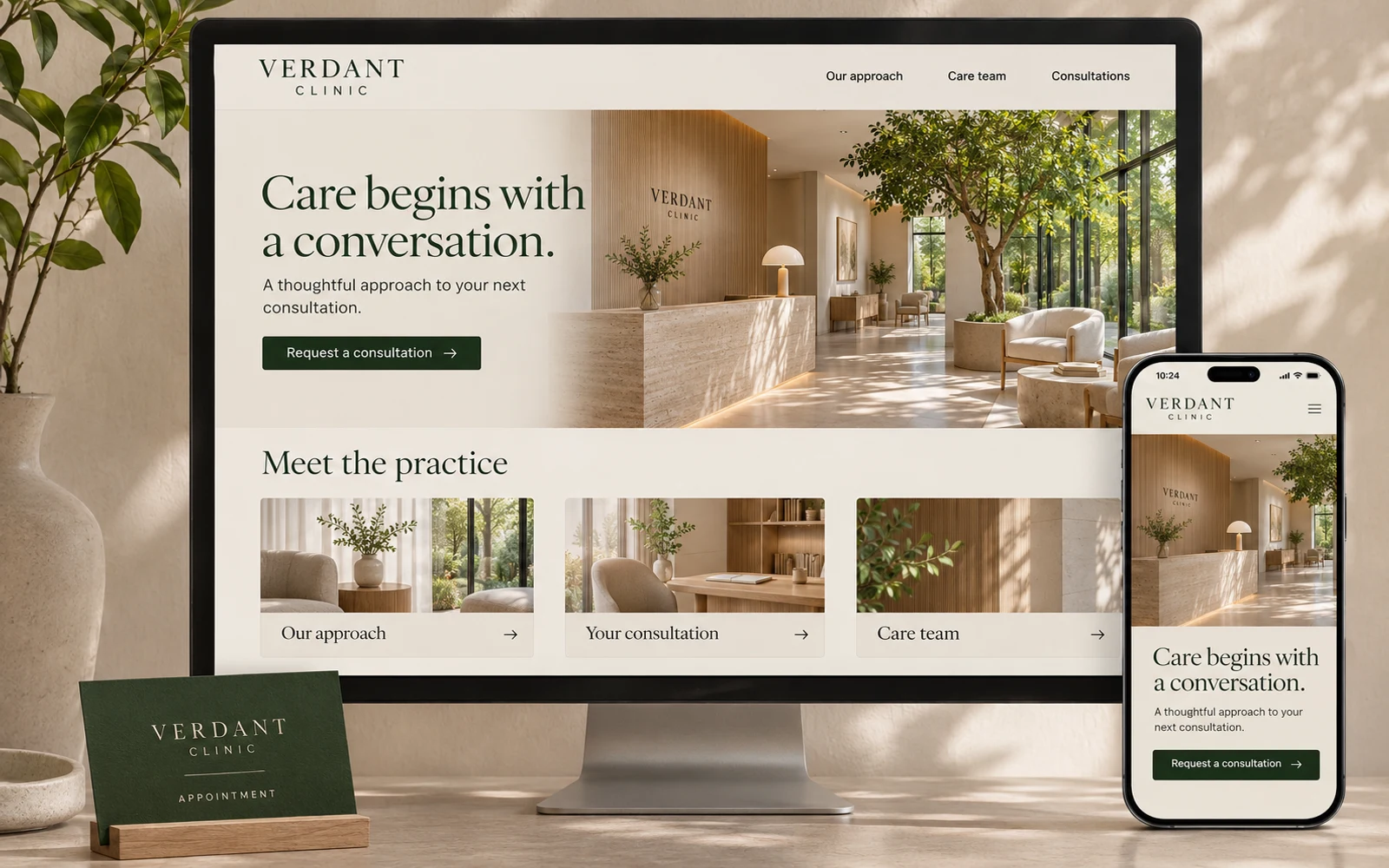

Size for the actual layout
Serve images close to their rendered size and provide responsive alternatives where needed. An enormous source file rarely helps a small card.
Reserve layout space
Declare image dimensions or an aspect ratio so the page can allocate space before download. This reduces visible movement as content loads.
Prioritize the first view
Avoid lazy-loading the main above-the-fold visual. Defer lower images when it helps, while keeping meaningful alternative text.
Put it to work
A practical next step
Audit image byte size, dimensions and loading strategy on a few representative pages.
Keep the evidence with the decision.
Save the baseline, the reason for the change and the person responsible for checking it. This makes the work easier to review later and helps your team distinguish a verified improvement from an untested assumption.
This note provides a planning framework. The right implementation depends on your business model, market, website and available records. Where a decision involves scientific interpretation, clinical services or legal status, use the appropriate qualified reviewer rather than treating marketing guidance as approval.
Related agency support
Website Performance ↗
Review the service scope and use the briefing tool to describe your current situation.